
DIY PEST CONTROL GUIDE · KEVIN BENTLEY
PREVENTION FIRST · 20+ YEARS OF FIELD EXPERIENCE
Mice and Rodent Exclusion
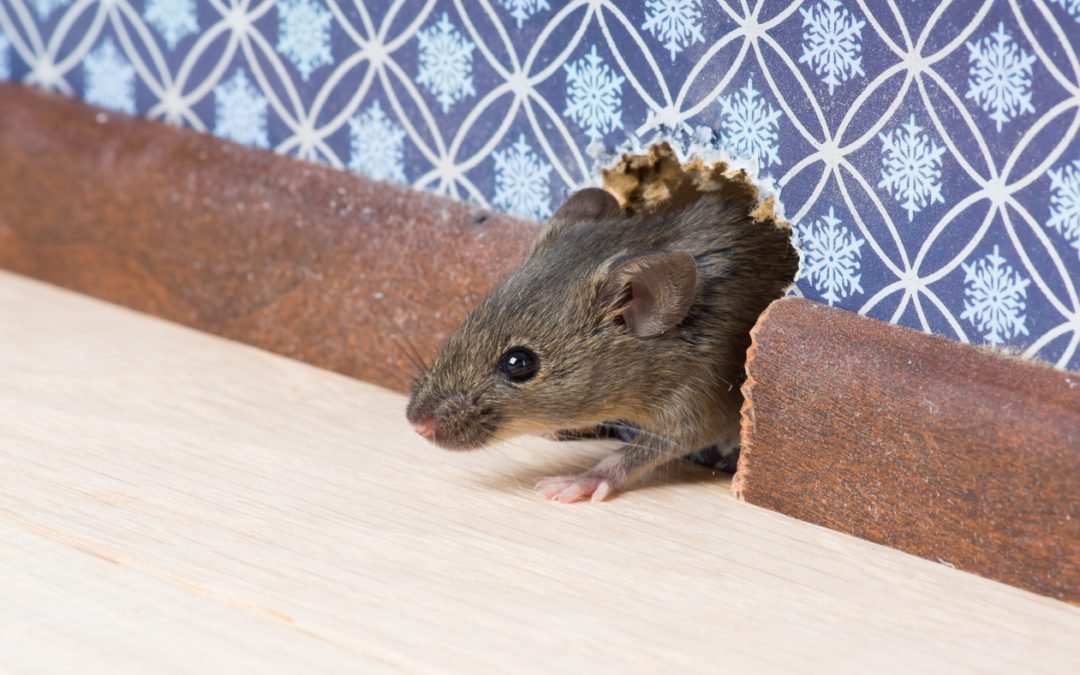
Look for droppings, gnaw marks, nesting material, and gaps under doors or around utility penetrations. Store food securely, address sanitation, and seal entry points with suitable rodent-resistant materials. Avoid sweeping or vacuuming dry rodent droppings; follow public-health cleanup guidance.
Homeowner inspection checklist
- Identify where the activity is occurring
- Look for entry points, food, water, and shelter
- Correct conditions that attract pests
- Monitor whether activity improves
- Contact a licensed professional when the problem persists or presents a safety risk
Where mice enter homes
Inspect garage door corners, exterior door sweeps, utility pipes, foundation gaps, crawl-space vents, and areas where siding or trim meets the structure. A house mouse may squeeze through an opening about 1/4 inch wide. Check both inside and outside before sealing.
Kevin’s exclusion-first approach
- Replace worn door sweeps and adjust garage door seals so light is not visible underneath.
- Use durable rodent-resistant mesh or metal and an appropriate sealant for openings. Foam alone can be chewed through.
- Store pantry items and pet food in tight-fitting containers; clean crumbs and spills.
- Remove clutter, nesting material, and accessible water sources.
- Place traps only where children and pets cannot access them; follow the device instructions and check frequently.
- Monitor for fresh droppings or gnawing after exclusion work.
Cleaning rodent-contaminated areas
Do not sweep or vacuum dry droppings. Ventilate the area when appropriate, wear suitable protection, and follow CDC rodent cleanup guidance for wet disinfection and safe disposal. Contact a qualified professional for heavy contamination or difficult access areas.
After the exclusion work
Inspect regularly for fresh signs of activity, particularly near garage doors, utility penetrations, and stored food. If you continue to find new droppings or cannot safely access contaminated areas, seek professional help.
Safety: Educational information only. Wear task-appropriate protection and always follow pesticide labels and local regulations.
